en


This herbarium that I cannot bear to see
A lecture by Timothée Léchot, professor of French literature at the University of Fribourg and specialist in Jean-Jacques Rousseau and botany
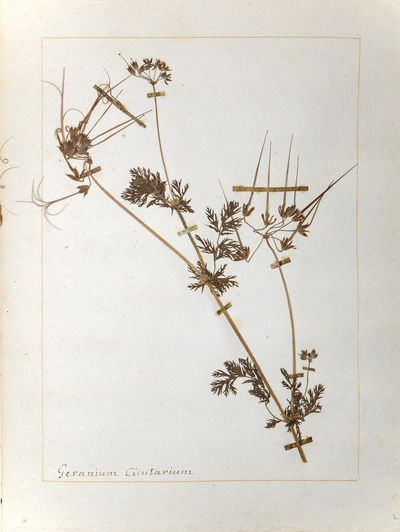
From the late 18th century to the present day, exhibiting a herbarium belonging to Jean-Jacques Rousseau has never been possible.
While the philosopher's written works circulated widely, private owners jealously guarded his plant collections, unique relics belonging to the private sphere and shown only to a select few. As these herbaria gradually entered public institutions, other questions arose, to which curators offered contrasting answers.
Does a Rousseau herbarium belong to the scientific heritage and primarily interest botanists? Or is it more of a literary archive, a document that resonates with the author's pedagogical and autobiographical writings? Or rather, is it a work of art to be preserved in a display case, perhaps even framed in a museum?
Such judgments determine the conditions for exhibiting and preserving Rousseau's collections, and how they are perceived by viewers.
Dates and times
Tuesday 28 April 2026
Event location
Location name
Jardin Botanique de Genève
Address
Chemin de l'Impératrice 1, 1292 Chambésy - 1202 Chambésy