en


This Is Not a Cauldron: A History of a Propaganda Motif.
Lecture series by early-career researchers in the history of the Reformation.
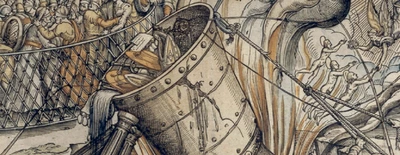
Polemic works published during the Wars of Religion aimed to convince the undecided and reinforce existing beliefs. They were charged with symbols reflecting the religious tensions of the sixteenth century. Using popular motifs, these works fueled interconfessional conflicts through a stark, unnuanced Manichaeism that widened the divide between Catholics and Protestants. Among the symbols employed in this context in France, the cooking pot stands out for the diversity of meanings it could convey. Seen as an infernal instrument, it became a motif of controversy that strongly structured confessional differences.
A PhD candidate at the Institute of the History of the Reformation, Judith Roche researches the religious history of the second half of the sixteenth century. Her Master’s thesis focused on the confessional controversies of the early Wars of Religion, studied through the motif of the cooking pot. She also works as a guide at the International Museum of the Reformation, as well as at the archaeological site and Saint-Pierre Cathedral in Geneva.
Dates and times
Tuesday 24 March 2026
Event location
Location name
Musée international de la Réforme
Address
Cour de Saint-Pierre 10 - 1204 Genève
Organiser
Proposed by
Musée international de la Réforme
Website
Phone