en


Guided City Tours
Guided Moments
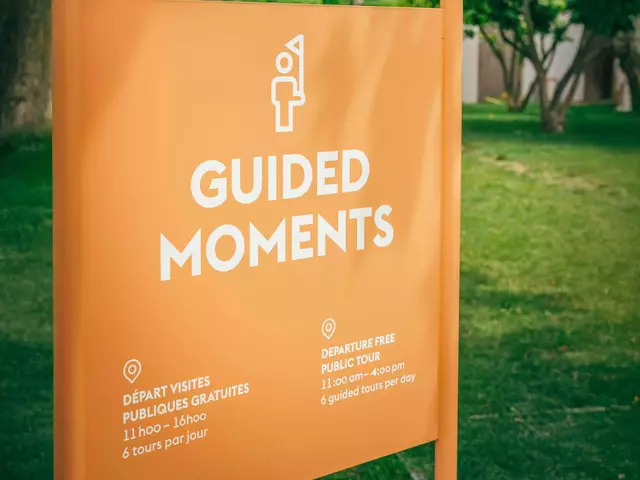
Discover Geneva in just 45 minutes! From 1 July to 23 August, enjoy free daily mini guided tours led by professional guides. Meet at the National Monument in the Jardin Anglais, by the orange Guided Moments sign.

What are Guided Moments?
45-minutes, free guided tours led by professional guides, designed to offer you a fresh perspective on Geneva’s highlights.
Dates and Times
Guided Moments run from 1 July to 23 August, with 6 daily departures at:
11:00 | 12:00 | 13:00 | 14:00 | 15:00 | 16:00
Meeting Point
Meet your guide at the Jardin Anglais, at the foot of the Ferris wheel, in front of the orange “Guided Moments” sign.
Download the Guided Moments brochure
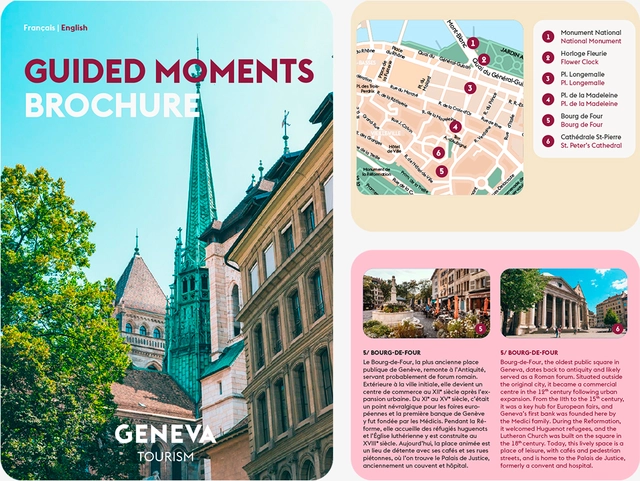
The "Guided Moments" booklet is available in 6 languages and includes highlights from the tour.
Pick up your copy on-site or download it directly from our website to follow along or revisit the tour at your own pace.
Start exploring now!
National Monument
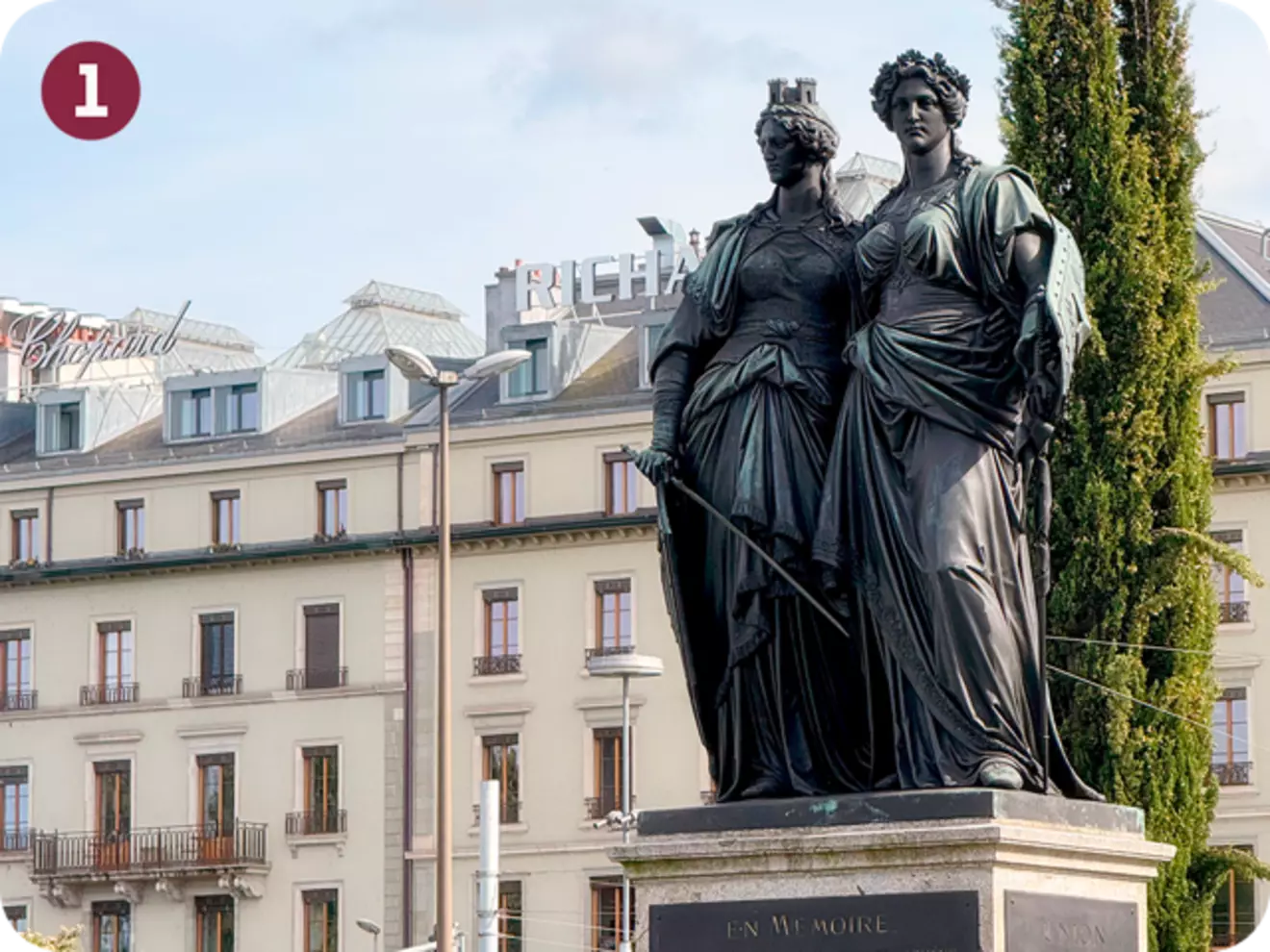
The National Monument, inaugurated in 1869, commemorates Geneva’s accession to the Swiss Confederation in 1815, following the fall of Napoleon. It symbolises the end of the city’s political instability, marked by 15 years of French occupation. The monument features two bronze female figures: Geneva, on the right, extends her hand to Helvetia, representing Switzerland, who stands as her protector. They gaze out towards Lake Geneva, evoking the arrival of the confederate troops. Geneva wears a crenellated crown, while Helvetia is crowned with laurel. This monument embodies the republican and Protestant values of Geneva, inherited from the Reformation, and stands in an iconic setting facing the lake, with the Jet d’Eau in the background.
Flower Clock
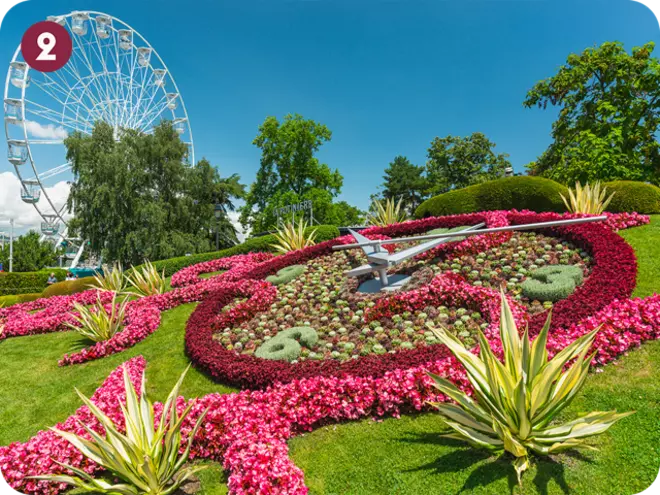
Created in 1955, the Flower Clock is a symbol of Geneva, closely associated with the Jet d’Eau. Featuring more than 6,500 plants, it changes appearance with the seasons thanks to the meticulous work of the city’s gardeners. This clock is also a technical masterpiece, synchronised by satellite for absolute precision. With a second hand measuring 2.5 metres, it holds the world record for the longest seconds hand. The hands, designed by Patek Philippe, pay tribute to Geneva’s watchmaking tradition, shaped by the arrival of Huguenot watchmakers in the 16th century.
Place Longemalle
Located between the Old Town and the Rues-Basses, Place Longemalle is today a refined spot lined with watch boutiques. Historically, it was a port area submerged by Lake Geneva in ancient times. In the Middle Ages, several ports, including a grain port, were established there, supporting the trade of wheat and other goods. The site became a lively hub connecting the medieval town with the newly developing districts. The current paving symbolically evokes the former presence of water, recalling the waves of Lake Geneva that once bordered the square before the city expanded into the lake.
Place de la Madeleine
Discreet yet steeped in history, Place de la Madeleine takes its name from the Temple of the Madeleine, a church dating back to the 5th century. This site, once on the edge of the ancient city, lay near a now-vanished port area. In the 16th century, Guillaume Farel and Jean Calvin preached the Protestant Reformation here. The present-day temple, built in Gothic style, preserves elements from the 15th century and stands near a former cemetery. Once a commercial crossroads, the neighbourhood welcomed merchants from across Europe.
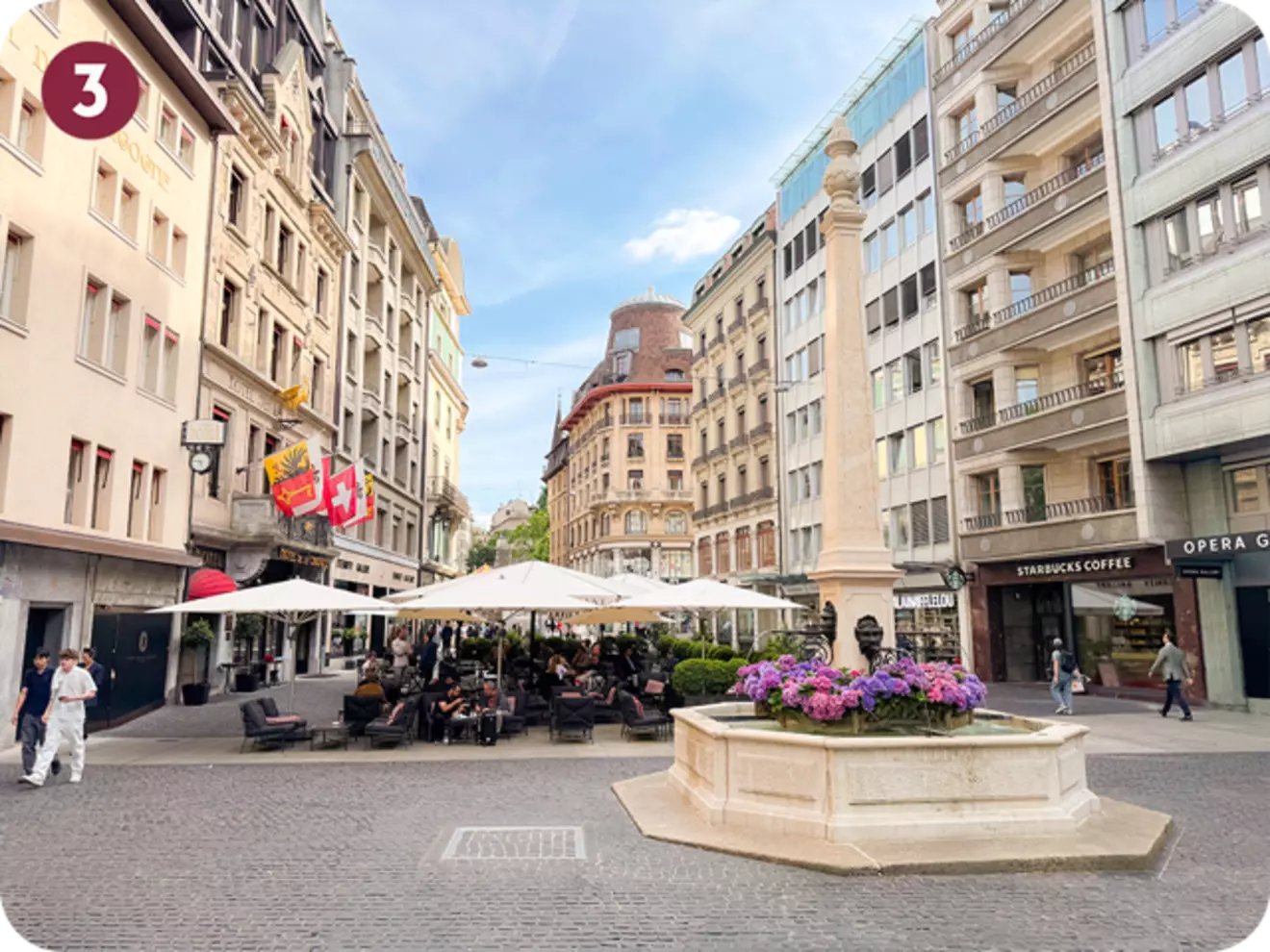
Bourg-de-Four
Bourg-de-Four, the oldest public square in Geneva, dates back to antiquity and likely served as a Roman forum. Situated outside the original city, it became a commercial centre in the 12th century following urban expansion. From the 11th to the 15th century, it was a key hub for European fairs, and Geneva’s first bank was founded here by the Medici family. During the Reformation, it welcomed Huguenot refugees, and the Lutheran Church was built on the square in the 18th century. Today, this lively space is a place of leisure, with cafés and pedestrian streets, and is home to the Palais de Justice, formerly a convent and hospital.
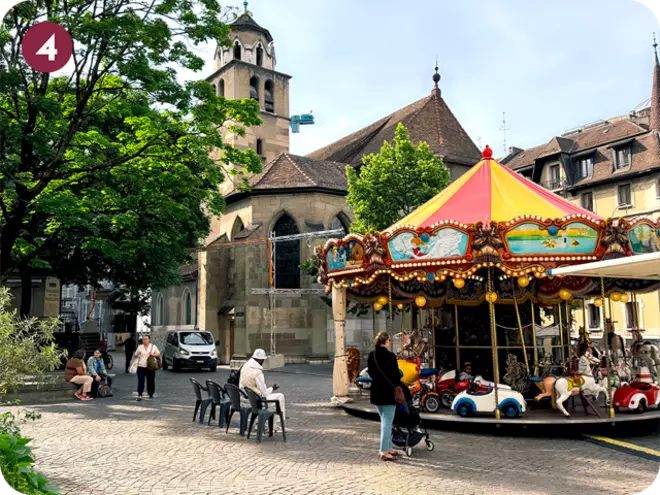
St. Peter’s Cathedral
St Peter’s Cathedral, located at the heart of the Old Town, is one of Geneva’s most iconic landmarks, with a history dating back to the 12th century. Its architecture, combining Romanesque, Gothic and Neoclassical styles, reflects centuries of transformation. It stands on the remains of a Roman temple and a 4th-century church. In 1536, it became a Protestant temple linked to the Reformation, where John Calvin preached. The forecourt also served as a site for civic decisions. The austere interior contrasts with the Maccabees Chapel, adorned with colourful motifs. The towers offer breathtaking views, and the cathedral is connected to the history of Geneva’s watchmaking, which emerged as a result of religious constraints.
You may also like
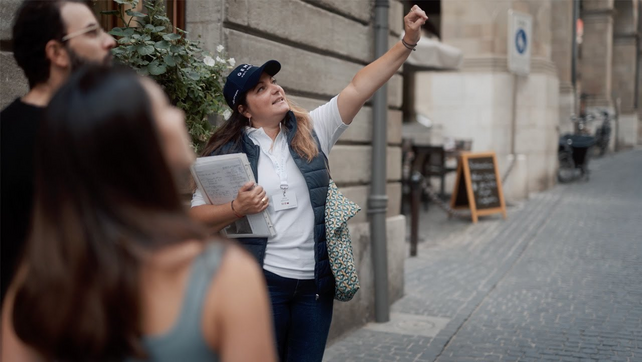
What could be better than a guided tour of the city to discover its cultural and architectural heritage and enjoy an authentic experience with a guide? More than 31 dynamic professional guides will...
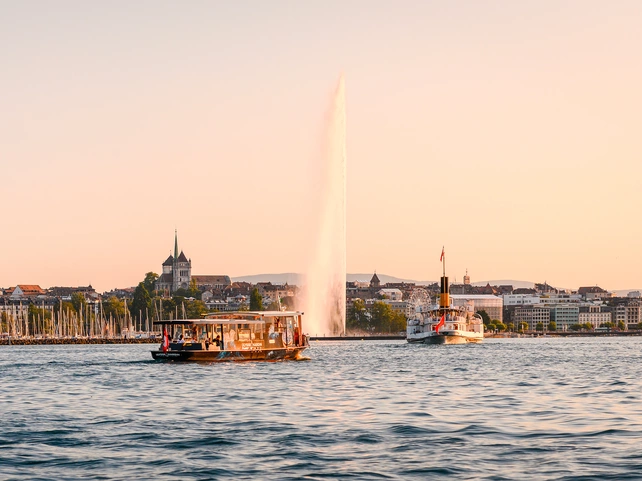
A city pass is a card that allows you to enjoy a variety of activities for free or at a very low price. Visit a museum, take a cruise on the lake, go on a guided tour, go rafting: enjoy 60 free or...
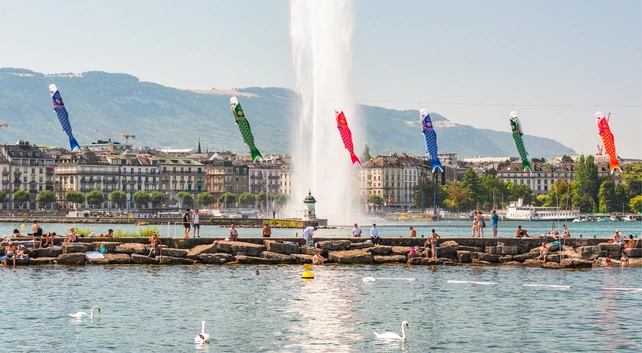
Seven reasons to enjoy Geneva in summer.